Introduction
In emergencies where a person's heart quits beating or they stop taking a breath, comprehending what CPR means and just how to perform it can suggest the distinction between life and fatality. Cardiopulmonary resuscitation (CPR) is a lifesaving method that is critical for anyone looking to be prepared in case of a medical emergency situation. This detailed guide intends to dissect the definition of CPR, discover its relevance, and offer a thorough understanding of exactly how it connects with first aid techniques.
Whether you're taking a first aid course or are just curious about how you can assist in an emergency, this write-up will certainly cover whatever you require to know. We'll dive into its historic context, present methods, and ideal practices while likewise highlighting the value of being licensed in CPR through various certified programs.
What Does CPR Stand For? Recognizing Cardiopulmonary Resuscitation
The acronym CPR stands for Cardiopulmonary Resuscitation It entails two crucial elements: "cardio," describing the heart, and "pulmonary," connected to the lungs. The key aim of CPR is to keep blood circulation to crucial body organs till professional clinical assistance shows up or normal heart feature is restored.
The Significance of CPR in Emergencies
CPR is necessary in several situations, consisting of heart attack, drowning, choking events, and various other situations bring about unconsciousness or unresponsiveness. According to research studies from organizations like the American Heart Association, reliable CPR can increase or perhaps triple a victim's chance of survival.
Why Must Everybody Find out CPR?
Learning CPR furnishes people with skills that can conserve lives. Oftentimes, onlookers are the very first -responders before emergency personnel show up. Being well-versed in cardiopulmonary resuscitation enables you to act quickly and with confidence when every 2nd counts.
History of Cardiopulmonary Resuscitation
Early Strategies for Reviving Individuals
The beginnings of CPR date back centuries earlier. Historical documents reveal that techniques similar to modern resuscitation were practiced as early as 3000 B.C., mostly focusing on mouth-to-mouth techniques for reviving sinking victims.
Modern Advancements in CPR Techniques
In the 20th century, substantial innovations were made in recognizing heart attack and its treatment. In 1960, Dr. Peter Safar presented mouth-to-mouth resuscitation incorporated with chest compressions-- laying the groundwork for what would certainly come to be called modern-day CPR.
CPR Methods: Fundamentals You Need to Know
A Step-by-Step Overview: How to Carry out CPR
To effectively do CPR, it's necessary to adhere to a methodical method:
Check Responsiveness: Delicately tremble the individual and ask if they're okay. Call for Help: If there's no reaction, phone call emergency situation services immediately. Determine Breathing: Seek typical breathing; otherwise existing or unusual (gasping), start compressions. Chest Compressions: https://johnathanlpyk309.theglensecret.com/first-aid-courses-in-gosnells-weekend-and-night-classes- Place your hands on the facility of the individual's chest. Keep your elbows straight. Compress hard and fast at a price of 100-120 compressions per minute.
- After 30 compressions, offer two rescue breaths. Ensure proper head tilt-chin lift placement before supplying breaths.
Hands-Only vs Conventional CPR
Many people question whether hands-only or standard CPR is a lot more reliable. For adults who break down because of cardiac arrest outside a healthcare facility setup, hands-only CPR has actually verified similarly efficient-- making it simpler for untrained spectators to intervene without anxiety of improper technique.

First Help Course: Bridging Knowledge Gaps
Importance of Finishing a First Aid Course
Taking a first aid training course not only assists one recognize basic strategies but likewise provides important understanding into different emergency situation situations beyond simply heart attack scenarios. These programs usually cover different subjects such as injury first aid certificate gosnells management, choking relief methods, and using an Automated External Defibrillator (AED).
Finding First Aid Courses Near You
If you're trying to find regional opportunities:
- Search online for "first aid program near me". Local health centers or recreation center usually supply programs. Check systems like FirstAidPro or Red Cross for scheduled classes.
DRSABCD Method Explained
What is DRSABCD? A Lifesaving Acronym
The DRSABCD approach functions as an easy-to-follow standard throughout emergency situations:
D-- Danger: Evaluate the scene for any kind of threats. R-- Response: Examine if the person is responsive. S-- Send out for Help: Call emergency situation solutions immediately. A-- Airway: Ensure their air passage is clear. B-- Breathing: Inspect if they're taking a breath normally. C-- Compressions: Start upper body compressions if not breathing. D-- Defibrillation: Use an AED if readily available as soon as possible.Each action builds on one another ensuring you remain focused throughout high-pressure situations.
Mental Health First Aid & Its Link with Physical Emergencies
Understanding Mental Health and wellness First Aid (MHFA)
While conventional first aid focuses on physical health crises, Mental Health and wellness First Aid addresses psychological emergencies such as panic attacks and serious stress and anxiety episodes.
Combining Physical & Mental Health And Wellness Support
Being skillful in both physical first aid (like knowing what does cpr stand for) and psychological wellness first aid boosts your capacity to give extensive support during emergency situations-- helping you resolve both external injuries and emotional trauma simultaneously.
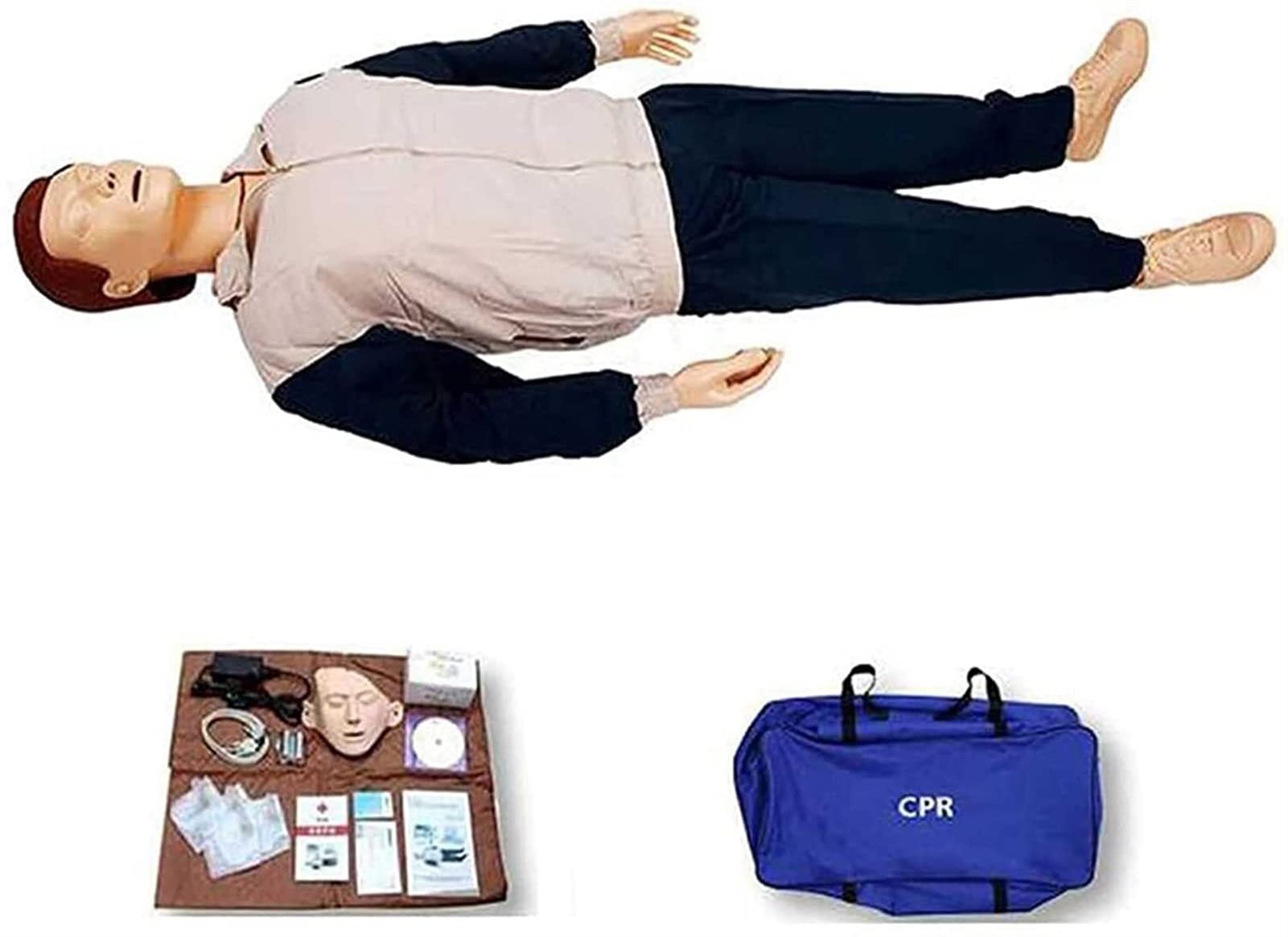
FAQs Concerning Cardiopulmonary Resuscitation
FAQ 1: What does the phrase "CPR" stand for?
CPR stands for Cardiopulmonary Resuscitation-- a life-saving treatment executed when somebody's heartbeat or breathing has actually stopped.
FAQ 2: Why is learning CPR important?
Knowing just how to carry out CPR can significantly raise survival possibilities during cardiac arrest or respiratory system failing scenarios until professional help arrives.
FAQ 3: Do I need accreditation to do CPR?
While any individual can try it throughout an emergency situation without certification, obtaining official training with accredited programs enhances effectiveness and confidence when executing life-saving techniques.
FAQ 4: How much time does my first aid certificate last?
Typically, the majority of first aid certifications stand for 3 years prior to requiring renewal through refresher courses or re-certification classes.
FAQ 5: Exists an age requirement for finding out CPR?
No specific age need exists; kids can discover streamlined versions proper for their ability level while still being helpful in emergencies!
FAQ 6: Can I take a virtual first aid course?
Yes! Several organizations now provide on-line first aid programs that consist of extensive training on both physical first aid methods and mental wellness first aid basics.
Conclusion
Understanding what does CPR represent-- and mastering its application-- can empower any individual with essential skills required throughout emergency situations where time matters most. Whether you're interested in official training via an acknowledged establishment like FirstAidPro or just want knowledge on fundamental life assistance methods, having this knowledge might conserve lives-- not just your own however those around you as well!
Don't underestimate just how much impact knowing these skills can have; it deserves spending time right into discovering them effectively! So why wait? Subscribe today at your neighborhood facility offering ideal courses nearby-- you never ever understand when you'll need these very useful skills!
